


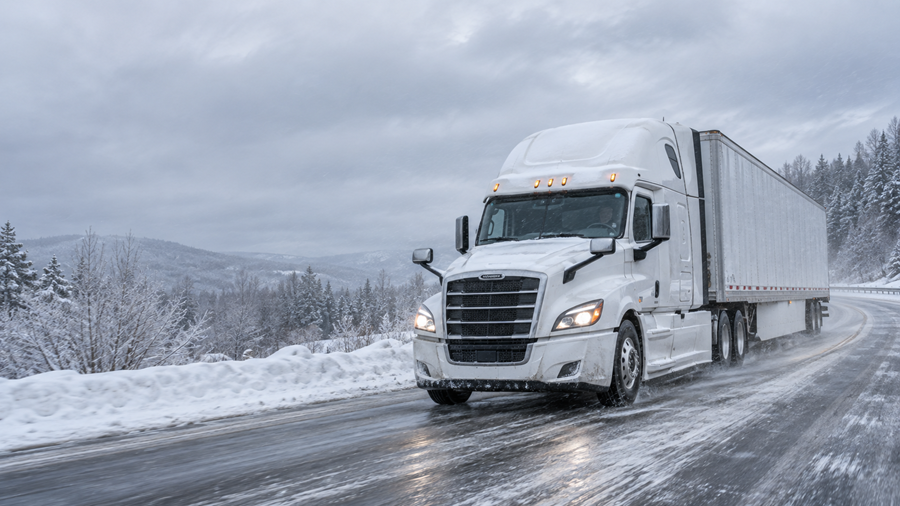
Winter Driving Readiness: Tires, Traction & Cold-Weather Safety
Winter Driving Starts Before the Truck Moves
For commercial trucking fleets, winter weather brings challenges that extend far beyond snow-covered highways. Falling temperatures, freezing precipitation, reduced visibility, and unpredictable road surfaces can quickly turn routine deliveries into hazardous operations. Preparing for these conditions requires more than asking drivers to exercise extra caution. It demands a coordinated approach involving driver education, preventive maintenance, equipment inspections, and operational planning. Fleet managers should begin preparing well before the first major winter storm, reviewing vehicle condition, identifying seasonal maintenance needs, and ensuring drivers understand the unique demands of cold-weather operations. A properly maintained truck and a well-prepared driver form the foundation of safer winter transportation, but meaningful readiness also requires dispatchers and fleet leadership to make safety a priority throughout the organization.
Cold Weather and Tire Inflation: A Critical Connection
One of winter’s less visible threats to commercial truck performance is the relationship between temperature and tire inflation pressure. As ambient temperatures fall, tire pressure typically decreases, potentially leaving previously properly inflated tires operating below their recommended levels. Underinflation increases tire flexing, generates excess heat during operation, accelerates irregular wear, and can negatively affect fuel efficiency and tire life. For commercial trucks carrying substantial loads, maintaining appropriate inflation pressure is particularly important because tire pressure must correspond to the weight being supported. Drivers and maintenance personnel should check tire pressures when tires are cold, using a calibrated gauge and the manufacturer’s load-and-inflation recommendations. The maximum pressure printed on a tire’s sidewall should not automatically be treated as its correct operating pressure. Fleets should also investigate recurring pressure loss rather than simply adding air repeatedly, since damaged valves, punctures, and other tire-related problems can become increasingly serious during winter operations.
Tire Tread, Traction, and Changing Road Conditions
Adequate tread depth and proper tire condition are essential when navigating wet pavement, snow, slush, and icy road surfaces. Tread grooves help tires manage water and slush, while the tire’s design and condition influence its ability to maintain traction under challenging circumstances. Federal regulations generally require a minimum tread depth of 4/32 of an inch on the front tires of trucks and truck tractors and 2/32 of an inch on other tire positions. However, meeting the legal minimum does not necessarily mean a tire will deliver suitable traction for every winter operating condition. Fleet maintenance teams should evaluate tread depth, irregular wear, sidewall damage, tire age, and application-specific tire suitability before severe weather arrives. Drivers should also understand that traction can change dramatically within a single trip, especially when moving between treated highways, untreated secondary roads, loading yards, and delivery locations. Tire inspections should therefore be treated as an ongoing safety practice rather than a one-time seasonal exercise.
Stopping Distances and Following Space: Give Yourself Room
Winter driving requires commercial truck operators to recognize that reduced traction directly affects braking performance and vehicle control. A fully loaded tractor-trailer already requires considerable distance to stop under favorable conditions, and snow, ice, or slush can significantly increase the distance needed to slow or stop safely. Drivers should reduce speed to match conditions, increase following distances, and avoid sudden steering inputs or aggressive braking whenever possible. Particular attention should be paid to intersections, highway exits, curves, and areas where traffic frequently slows unexpectedly. Fleet managers can reinforce these practices through seasonal safety meetings, driver coaching, and realistic route scheduling that does not reward rushing through dangerous weather. The safest winter driving strategy is not simply reacting to hazards as they appear, but creating enough time and space to recognize them before an emergency maneuver becomes necessary.
Bridges, Ramps, and Hidden Ice: Recognizing Winter’s Dangerous Surfaces
Some of winter’s most hazardous driving conditions are also among the hardest to recognize. Bridges and elevated overpasses can freeze before surrounding roadways because cold air circulates above and below their surfaces. Shaded curves, entrance and exit ramps, and areas where melted snow refreezes can also present unexpected traction hazards. Black ice is especially dangerous because it can be difficult to distinguish from ordinary wet pavement. Drivers should approach potentially slippery areas with reduced speed, avoid abrupt lane changes, and anticipate changing conditions even when the main highway appears clear. Weather forecasts, roadway alerts, and communication between dispatchers and drivers can provide valuable information about developing hazards along established routes. Fleet operators should encourage drivers to report dangerous road conditions so other employees traveling through the same areas can make informed decisions. A road that was safe earlier in the day may become hazardous after temperatures drop, making continuous awareness essential.
Visibility Is a Safety System, Not Just a Convenience
Winter weather can reduce visibility through snowfall, freezing rain, fog, road spray, and the accumulation of salt and grime on vehicle surfaces. For commercial truck operators, maintaining clear visibility involves more than simply turning on the windshield wipers. Drivers should inspect windshield condition, wiper blades, washer-fluid levels, defrosters, mirrors, headlights, brake lights, turn signals, and reflective surfaces before departure. Washer fluid should be suitable for anticipated freezing temperatures, and damaged or ineffective wiper blades should be replaced before they compromise visibility. Snow and ice should be cleared from windows, mirrors, lighting equipment, and other critical areas in accordance with applicable safety requirements. Drivers must also account for reduced visibility experienced by surrounding motorists, particularly when operating large vehicles that require additional room for turns and lane changes. Keeping a truck visible to others and maintaining an unobstructed view of the roadway are fundamental parts of winter accident prevention.
Knowing When Not to Drive: The Safety Decision That Matters Most
Professional driving requires sound judgment, and sometimes the most responsible decision is to delay departure, change routes, or discontinue operations until conditions improve. Under 49 CFR § 392.14, commercial motor vehicle drivers must exercise extreme caution when hazardous conditions adversely affect visibility or traction, reduce speed accordingly, and discontinue operation when conditions become sufficiently dangerous for safe travel. This requirement reinforces an important principle: delivery schedules and customer commitments cannot take precedence over safe vehicle operation. Fleet managers should establish clear procedures for communicating hazardous conditions, identifying safe stopping locations, and notifying customers when weather-related delays become necessary. Drivers should feel confident reporting dangerous circumstances without facing pressure to continue operating beyond reasonable safety limits. A successful winter safety program recognizes that avoiding an accident, even when it requires postponing a delivery, protects employees, equipment, freight, and the long-term interests of the business.
Building a Fleetwide Winter Safety Culture
Effective winter preparedness is not achieved through a single safety meeting or seasonal maintenance checklist. It develops through consistent inspections, driver training, preventive maintenance, clear communication, and management decisions that reflect actual operating conditions. Fleet operators should review tire inspection procedures, maintenance schedules, winter emergency supplies, and weather-related dispatch practices before severe conditions become routine. They should also use driver feedback, maintenance records, and previous winter incidents to identify recurring problems and improve future operations. At REL, we understand that protecting fleet uptime means more than keeping trucks mechanically operational. It means helping customers make informed equipment, maintenance, and operational decisions that support safety and business continuity throughout the year. Winter readiness isn’t just about protecting equipment. It’s about protecting drivers, freight, customer commitments, and the business itself. As temperatures fall and seasonal shipping demands increase, now is the time to evaluate your fleet’s preparedness. Contact REL to discuss equipment and fleet solutions that can help support your operations through the winter months.
