


Are Camera-Based Mirrors Worth It for Commercial Fleets?
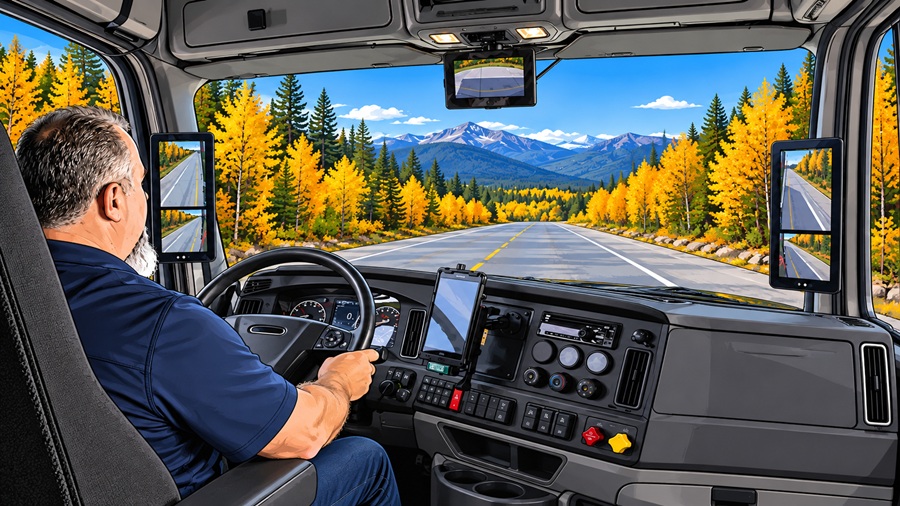
Camera-based mirror systems are beginning to change how commercial fleets think about driver visibility. Instead of relying solely on traditional side mirrors, these systems use exterior cameras and in-cab monitors to give drivers a broader, more controlled view around the truck. For fleet owners, the appeal is not simply that the technology feels modern. The real question is whether it can improve safety, reduce operating costs, and add useful capability to trucks already in service.
One of the strongest arguments for camera-based vision is improved visibility. Traditional mirrors work well, but they still leave blind spots and can be affected by glare, darkness, weather, and the physical limitations of mirror placement. Camera systems can provide wider viewing angles and more consistent visibility along the side of the tractor and trailer. For drivers making lane changes, backing, turning, or operating in crowded yards, that expanded field of view can offer meaningful operational value.
Night driving is another area where camera-based systems may have an advantage. Conventional mirrors can only reflect the light available around them, while digital camera systems can enhance low-light images and improve what a driver sees after dark. Depending on the system, cameras may also help reduce the impact of headlights, glare, rain, and other conditions that can make traditional mirrors harder to use. For long-haul fleets operating around the clock, better nighttime visibility can be an important safety consideration.
Aerodynamics also deserve attention. Large exterior mirror housings create drag, especially on tractors that spend most of their time at highway speeds. Replacing them with smaller camera housings can reduce aerodynamic resistance and potentially lower fuel consumption. The savings from any single truck may appear modest, but over high annual mileage and across an entire fleet, even small improvements in fuel efficiency can become meaningful. This is one reason camera-based vision may make more financial sense for high-mileage highway fleets than for trucks with limited annual mileage.
There are drawbacks, and fleets should consider them carefully. Camera systems cost more than traditional mirrors and introduce electronic components that may eventually require repair or replacement. Cameras can become dirty, damaged, iced over, or obstructed, while monitors and wiring add new potential points of failure. Drivers also need time to adjust to looking at screens rather than exterior mirrors, particularly when judging distance and trailer position. A successful deployment therefore requires more than installing hardware. Training and driver acceptance matter.
Regulation is another factor. Traditional mirrors remain the regulatory baseline for commercial vehicles, while some camera-monitor systems operate under specific federal approvals or exemptions. Fleet owners considering a retrofit should verify that the system they are evaluating is permitted for the intended use and vehicle configuration. This is especially important because not every camera product marketed for trucks is necessarily approved as a complete replacement for conventional mirrors.
The business case becomes more compelling when several benefits are considered together. Improved visibility alone may not justify the cost for every fleet, and aerodynamic savings alone may not either. But when better blind-spot coverage, improved nighttime visibility, reduced drag, potential safety benefits, and driver-assistance capabilities are combined, the technology begins to look less like an expensive replacement for a piece of glass and more like an active fleet-safety system.
For fleets that plan to keep tractors in service for several more years, retrofit capability may be the most interesting part of the equation. Operators do not always have to wait for the next truck replacement cycle to gain newer safety and visibility technology. A well-chosen camera-based vision system can potentially bring some of the advantages associated with newer equipment to trucks already earning revenue today. For the right fleet, that makes camera-based mirrors less about adopting technology for technology’s sake and more about extending the value, safety, and usefulness of equipment already on the road.
